Category: UAE UDE
-

PPAC UI vs PowerShell vs Azure DevOps: Deployment Insights
When managing deployments for Dynamics 365 and Power Platform, administrators can choose from three main approaches: PPAC UI, PowerShell, and Azure DevOps Pipelines. The PPAC UI is user-friendly for administrative tasks, although slower for large deployments. PowerShell excels in automation but lacks full coverage of PPAC features. Azure DevOps offers robust governance and enterprise-level automation…
-

UPE : Unified Production Environment
The recent update for D365 Finance and Operations introduces a production environment in PPAC mode, eliminating the need for LCS and enabling automatic scaling based on user licenses and storage availability. This includes the Unified Admin for Sandbox and a TIER X feature, providing improved performance without additional costs. The article emphasizes best practices for…
-

GDAP: Enhancing Security in Microsoft Ecosystems
Granular Delegated Admin Privileges (GDAP) enhances security in Microsoft environments by providing partners with fine-grained, role-based, and time-limited administrative permissions. This modern model ensures that access is tailored to specific responsibilities, reducing unnecessary exposure while improving compliance with the principle of least privilege. GDAP allows controlled intervention by partners, who must submit access requests approved…
-
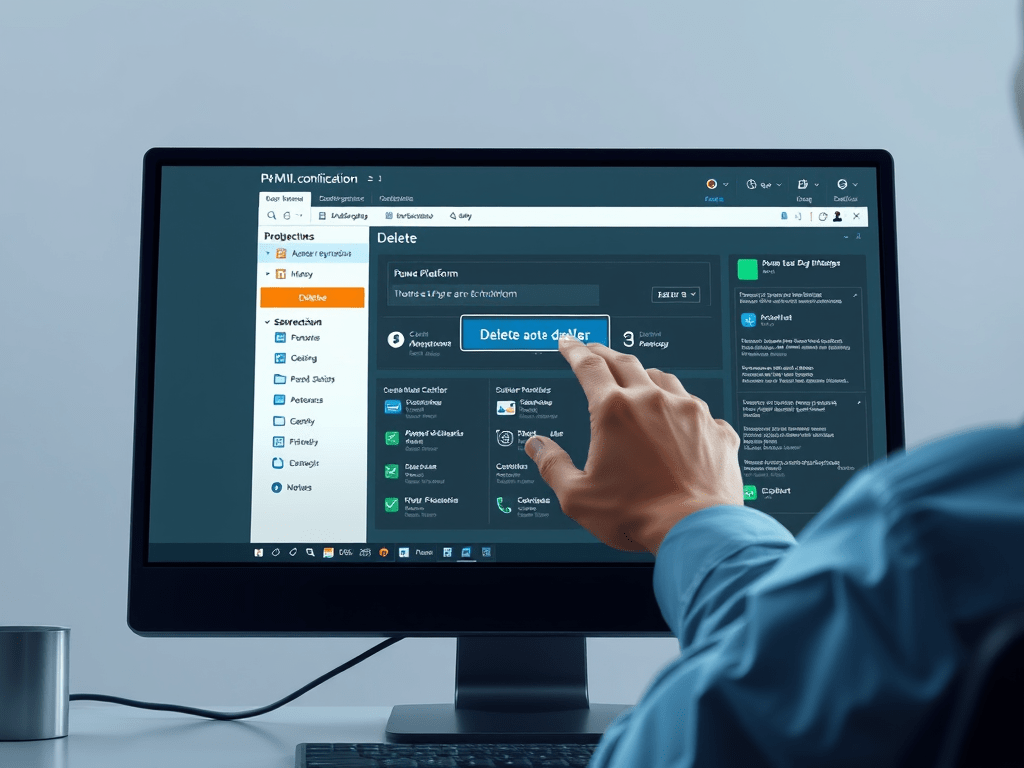
Best Methods to Delete Unused Power Platform Environments
Managing environments in Power Platform is essential for administrators to optimize resources and ensure efficiency. This article outlines two methods for deleting an environment: using the Power Platform Admin Center (PPAC) for a user-friendly approach, and PowerShell for automation and bulk operations. Reasons for deletion include reclaiming storage capacity and maintaining organizational standards. Best practices…
-

Required Licenses, Roles in PPAC, and Required Capacity
To create an environment, a SCM or Finance license is needed for administrative tasks, while only the production environment requires a per-user license. Specific Azure roles, including Power Platform Administrator and Dynamics 365 Administrator, must be assigned for environment creation and application management through GDAP. The creator and technical project manager must hold the System…
-

Azure DevOps: Enhance Power Platform Automation
This article outlines the automation of Power Platform environment deployment using Azure DevOps pipelines, Power Platform CLI, and Service Principals. It includes deployment time estimates, emphasizing the advantages of Service Principal authentication over traditional methods, and details the installation and setup of the Power Platform CLI. Additionally, it outlines necessary tasks within Azure DevOps pipelines,…
-
Streamlined Installation of Dynamics 365 Finance Apps
To successfully install Dynamics 365 Finance and Operations within the Power Platform, several prerequisites must be met, including the appropriate environment type, necessary licenses, and adequate database capacity. The installation process involves using the Power Platform Admin Center to install the required resources, specifically the Platform Tools and Provisioning App. Key limitations include environment URL…
-

How to Provision a Unified Dynamics 365 Finance Environment
The unified developer experience for Finance and Operations applications and Power Platform streamlines development by consolidating tools and environments. This integration allows for real-time data synchronization, enhanced security, and simplified governance. Developers can utilize Power Apps alongside Dataverse for efficient application development. Environment provisioning can be achieved through the Power Platform Admin Center or PowerShell,…
 D365FOAdviceTips