Category: UAE UDE
-
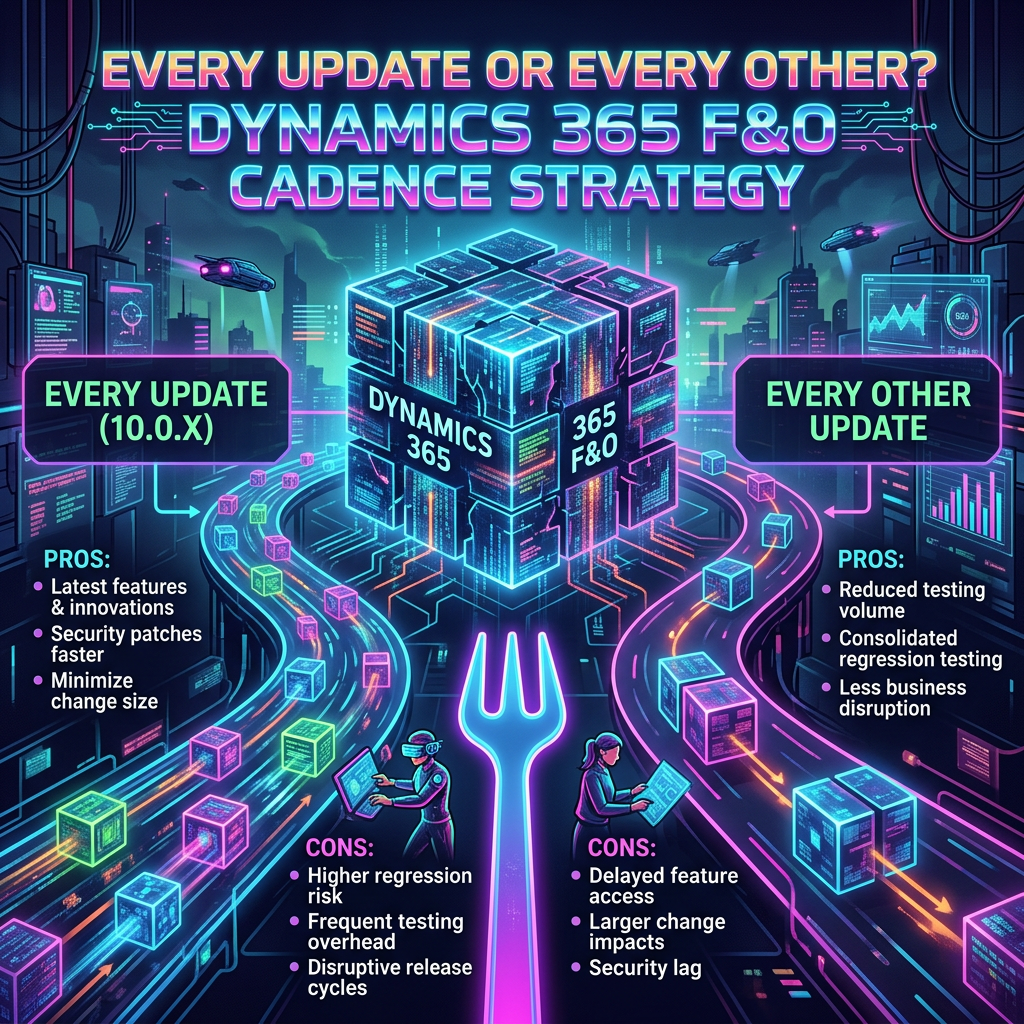
Every Update or Every Other? Dynamics 365 F&O Cadence Strategy
The guide emphasizes the importance of maintenance cadence in managing Dynamics 365 Finance & Operations unified environments. It advises careful review of update settings for both Production and sandbox environments, aligning them with project timelines to avoid disruptions during critical phases like go-live. Service updates should be monitored to ensure they do not coincide with…
-
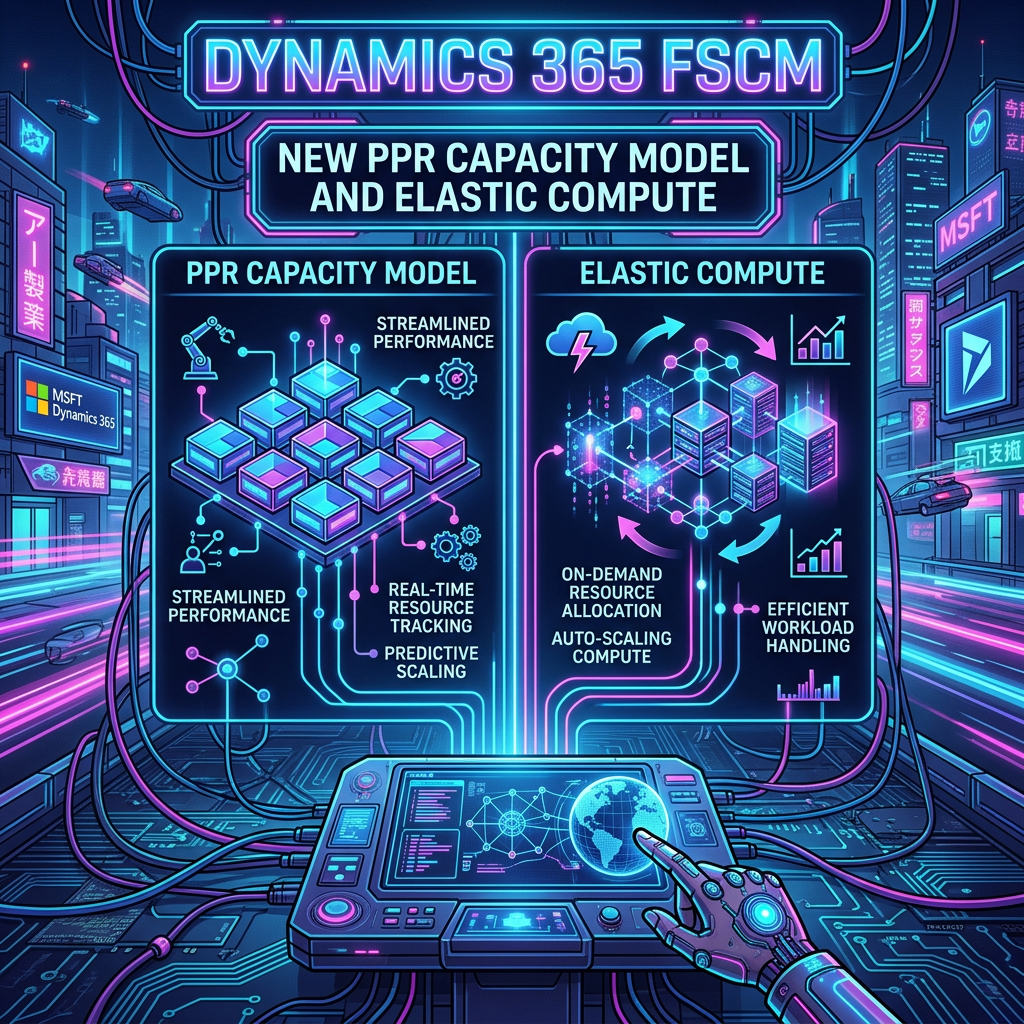
Dynamics 365 FSCM: New PPR Capacity Model and Elastic Compute
Microsoft is transforming the capacity management of Dynamics 365 Finance & Operations by shifting from fixed Lifecycle Services (LCS) tiers to a flexible, unified model powered by Power Platform Requests (PPR). This new approach allows organizations to focus on available PPR capacity to meet workload demands rather than predefined infrastructure tiers. Key implications include a…
-
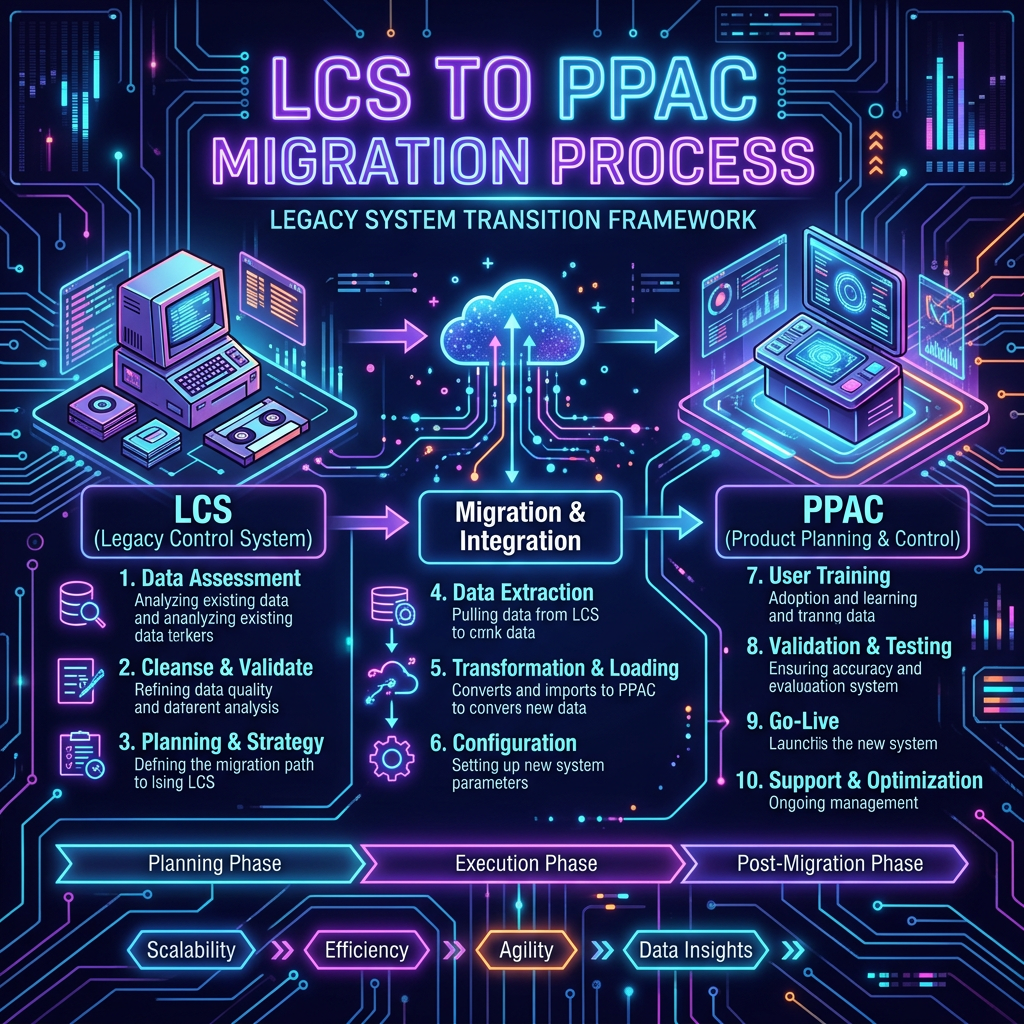
Steps for LCS to PPAC Migration
Microsoft is transitioning environment management for Finance & Operations from Lifecycle Services (LCS) to the Power Platform admin center (PPAC). This guide details the migration process, which includes confirming eligibility, provisioning a unified environment in PPAC, performing a copy operation, and validating the migration. For a smooth transition, the LCS environment must have Power Platform…
-
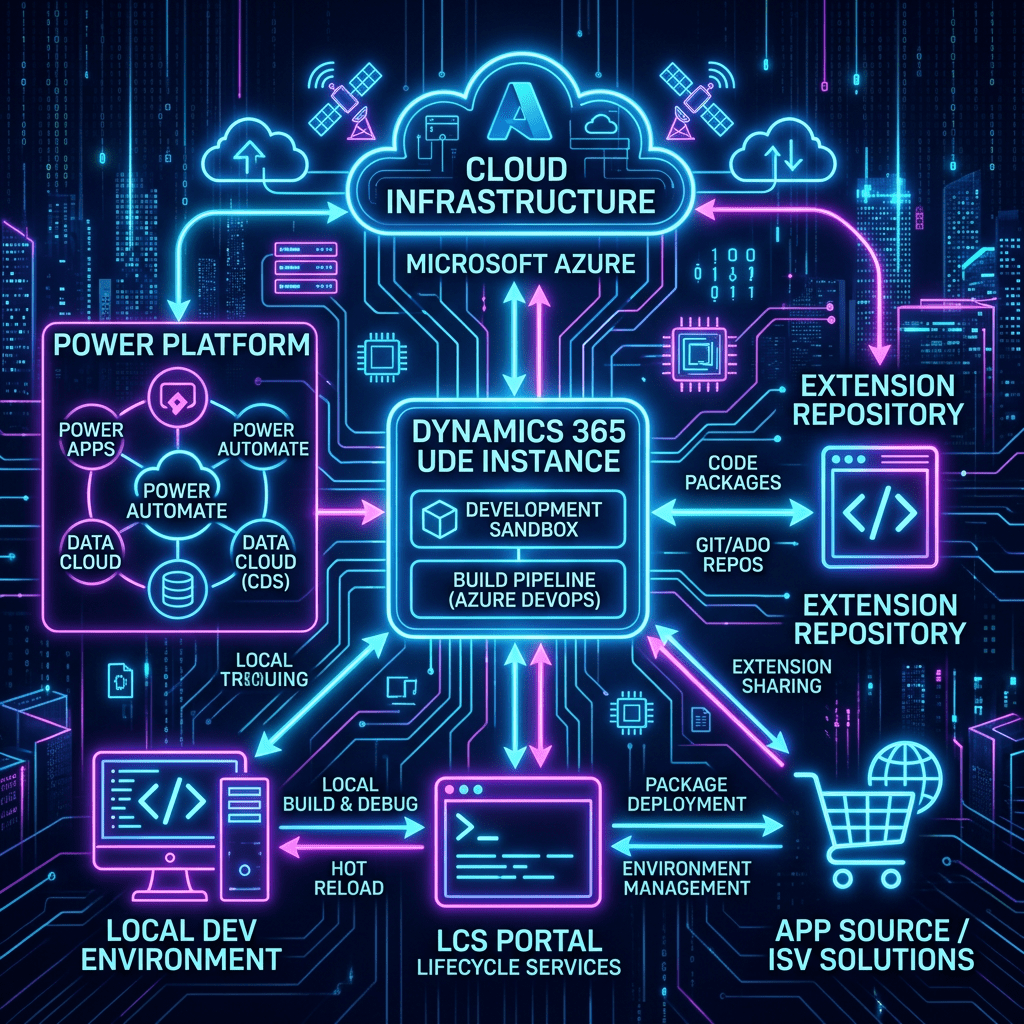
Unified Development Environment for D365: Complete Setup
The guide outlines the process of setting up a Unified Development Environment (UDE) for Finance & Operations development within the Power Platform. It details steps including creating a Dataverse environment, installing necessary Dynamics 365 applications, configuring Visual Studio 2022, connecting to Git repositories, and deploying models. Key highlights include enabling developer tools in the Provisioning…
-
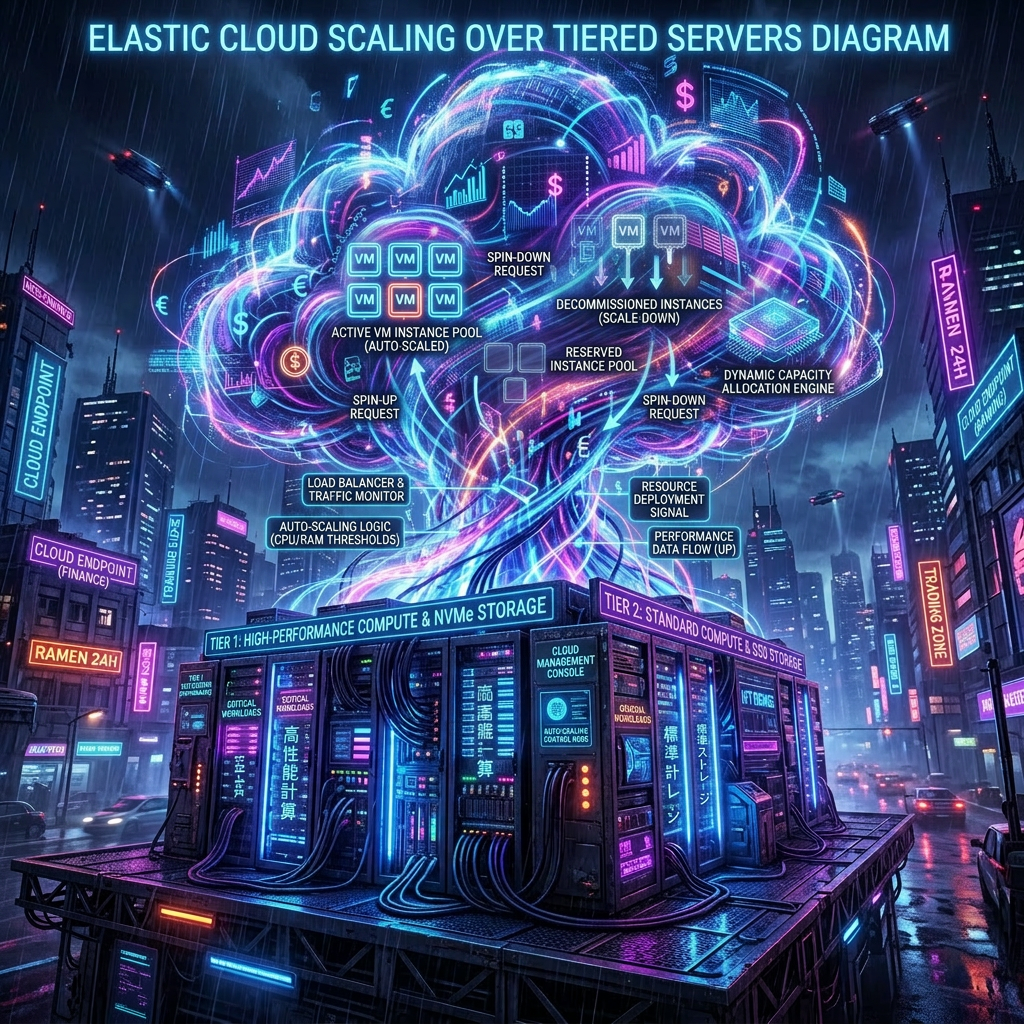
Elastic Compute for D365 Finance: From Fixed Tiers to Shared Capacity
Microsoft’s Elastic Compute transforms D365 Finance applications by replacing fixed-tier infrastructure with a dynamic, shared capacity model. This system automatically scales based on actual workload demands instead of pre-defined tiers, allowing test and production environments to utilize the same performance model. Capacity, defined by Power Platform Requests (PPR), drives the allocation of resources. Customers can…
-

Modernize Governance: The Shift to Power Platform and Dataverse
Microsoft’s transition from Dynamics Lifecycle Services (LCS) to Power Platform Administration Center (PPAC) by 2027 represents a significant modernization of ERP governance. Instead of viewing the migration as yet another project, organizations can leverage this opportunity to streamline operations, enhance security, and unify their governance across the entire Microsoft cloud ecosystem. Key actions include cleaning…
-
D365 Finance : Applying a Service Update to Unified Environment
This article outlines the process for updating a D365 Finance and Operations environment via the Power Platform Admin Center. The prerequisites include having a D365 F&O environment already set up. Users need to navigate to the Power Platform Admin Center, select their environment, and access the Dynamics 365 apps section. The specific app for provisioning…
-

PPAC UI vs PowerShell vs Azure DevOps: Deployment Insights
When managing deployments for Dynamics 365 and Power Platform, administrators can choose from three main approaches: PPAC UI, PowerShell, and Azure DevOps Pipelines. The PPAC UI is user-friendly for administrative tasks, although slower for large deployments. PowerShell excels in automation but lacks full coverage of PPAC features. Azure DevOps offers robust governance and enterprise-level automation…
-

UPE : Unified Production Environment
The recent update for D365 Finance and Operations introduces a production environment in PPAC mode, eliminating the need for LCS and enabling automatic scaling based on user licenses and storage availability. This includes the Unified Admin for Sandbox and a TIER X feature, providing improved performance without additional costs. The article emphasizes best practices for…
-

GDAP: Enhancing Security in Microsoft Ecosystems
Granular Delegated Admin Privileges (GDAP) enhances security in Microsoft environments by providing partners with fine-grained, role-based, and time-limited administrative permissions. This modern model ensures that access is tailored to specific responsibilities, reducing unnecessary exposure while improving compliance with the principle of least privilege. GDAP allows controlled intervention by partners, who must submit access requests approved…

